
My Child Says There Are No Friends in Muay Thai Class: Start with Belonging
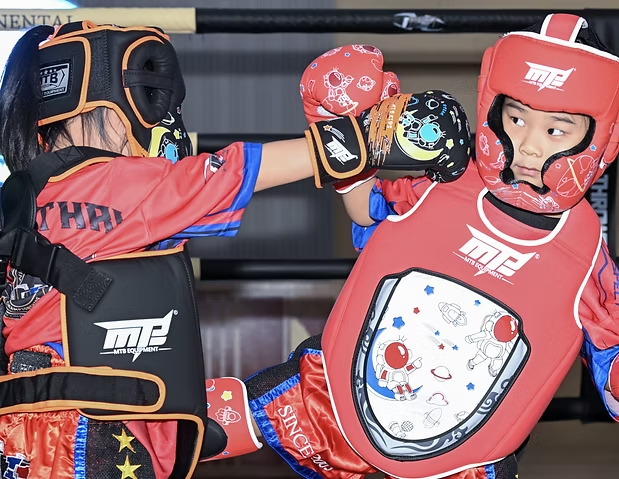
The short answer is that my child says there are no friends in muay thai class: start with belonging should be approached as a practical decision, not a test of toughness. For people exploring Muay Thai in Hong Kong, the useful question is whether the class can work with their experience, time, comfort and current responsibilities—not whether they can already perform like a trained fighter. That distinction matters for supporting belonging in kids muay thai group class. A first session can provide information, but no blog post can replace a coach’s observation or a frank conversation about what you need.
Start with a child’s energy and consent, not an idealised version of training
With supporting belonging in kids muay thai group class, it helps to name the outcome you actually want. It may be a calmer transition after work, a child who feels heard, a technical skill that makes more sense, or simply a regular activity that does not overwhelm the week. The answer changes what you should watch for in a class.
Rather than promising a fixed result, make the first visit an evidence-gathering exercise. Notice whether explanations are clear, whether you can ask questions, and whether the pace leaves room to learn. Those details are more informative than a dramatic first workout.
Questions that make supporting belonging in kids muay thai group class easier to judge
Use specific questions rather than broad assumptions
A helpful question about supporting belonging in kids muay thai group class has a real-life context: “I can usually attend on these evenings,” “I have not trained for a while,” or “I want to understand the contact level before I join.” Specific information lets a coach explain the available options without guessing your limits.
Ask how beginners are introduced to the relevant drills, what equipment is needed at the start, and how the class handles uncertainty. Timetables, fees, class formats and requirements can change, so confirm current arrangements directly instead of relying on an old social post or a friend’s memory.
What a sensible first step looks like in practice
A reasonable next step for supporting belonging in kids muay thai group class is modest. Choose one visit, one observation and one question to review afterwards. Do not try to solve every future decision in a single evening. A plan that still works after a busy week usually has more value than a perfect plan that depends on ideal conditions.
During practice, keep the focus on control. Good early training often looks quieter than people expect: listening to a cue, returning to balance, checking distance, pausing when something feels unclear and repeating a movement with a little more awareness. Progress is easier to recognise when the task stays small enough to observe.
When to slow down, ask for help or change the plan
Normal effort, new-muscle fatigue and a need for rest are not the same as sharp pain, dizziness, numbness or a feeling that you are losing control. If something does not feel right, stop the drill and tell the coach. Anyone with a health concern, previous injury or uncertainty about exercise should seek appropriate professional advice before treating online guidance as personal clearance.
There is no prize for keeping quiet about a boundary. In a well-run learning environment, adjusting intensity, observing a drill first or declining a type of contact is useful information—not a failure of attitude. That is especially important when family logistics is part of the decision.
Turn the next decision into a useful conversation
After the session, write down one detail that worked and one detail you still need to check. This keeps supporting belonging in kids muay thai group class connected to a real decision rather than a vague impression. It also makes the follow-up conversation more productive, because you can describe what happened instead of asking whether Muay Thai is “good” in general.
- Read children’s Muay Thai classes before comparing formats.
- Check the current class timetable for the latest practical details.
- Use discuss your child’s needs to explain your experience, goals and questions.
The right choice is not always the fastest or most intense one. For supporting belonging in kids muay thai group class, a thoughtful first step gives you usable information, protects your ability to choose, and leaves room for training to become part of life at a pace you can genuinely maintain.